
Letters: Dealing with Chinese trade
The Economist recommended that Europe should not raise trade barriers in response to China’s ballooning exports of cars, machine-tools and other manufactured goods (”From customer to killer”, November 22nd). The EU, including Germany, should instead pivot to services and become more like Britain, you say.
But this is not The Economist’s 19th-century crusade against the Corn Laws in favour of Manchester capitalism. And prescribing a 21st-century British remedy is hardly persuasive for the EU. The British economy has been in the doldrums for years, and the badly managed collapse of manufacturing helped propel Brexit.
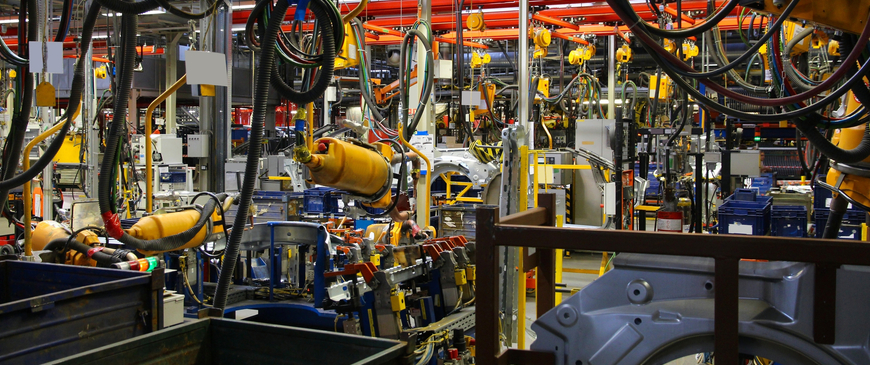
China itself would certainly reject such a medicine wholeheartedly. The country continues to double down on costly but successful industrial policies. Combined with weak internal demand, these policies have pushed China’s export volumes up by roughly 40% over the past five years, while China’s imports of manufactured goods as a share of GDP have been falling for two decades. A China that exports nearly everything, imports far less and pours subsidies into advanced manufacturing does not just bend the rules-based trading order, it distorts the manufacturing base of its trading partners and deepens strategic dependencies.
Why would Europe choose to double down on services and deepen its reliance on Chinese manufacturing at the very moment it is rearming to supply Ukraine and deter Russia, China’s ally? Europe will need drones and tanks, not just more consultants.
China’s policies should not be replicated by the EU, but neither should the China shock be allowed to play out without intervention to slow it down. The EU will have to use industrial policies to steer demand towards its own production and consider broader sectoral tariffs on China as the slow product-by-product trade defences are failing, as evidenced by the EU’s landmark duties on electric vehicles.
It is understandable that The Economist, given its free-trading genesis, is reluctant to say so. But clinging to one’s founding creed is risky when the beneficiary is not Manchester capitalism but a mercantilist China.
Sander Tordoir, chief economist, Centre for European Reform, Berlin