
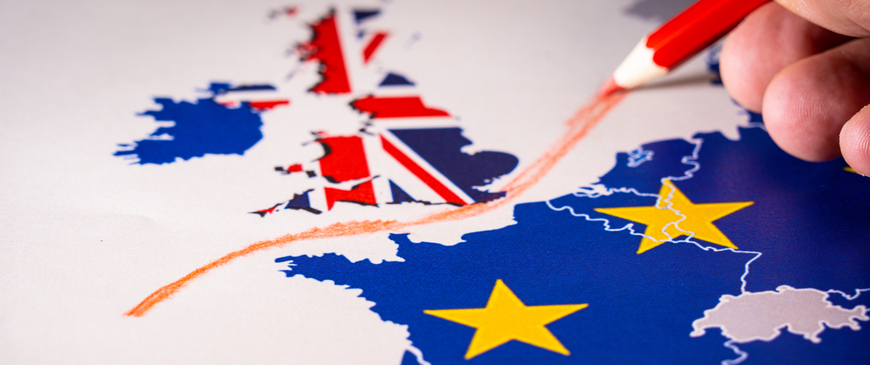
A free trade zone stretching from Iceland to Turkey
Gove used a speech at Vote Leave headquarters on the south bank of the Thames to promise that the UK could leave the EU, but remain in “a free trade zone stretching from Iceland to Turkey”.
I asked John Springford, associate fellow at the Centre for European Reform, if that has proved to be true. “I remember that statement,” he says. “I saw that as veiled language. Because the whole strategy in the campaign was to avoid giving any kind of specificity about what sort of relationship they really wanted … a free trade area can mean all sorts of things.”
“If we think of all the other agreements that European countries have with each other, then, yes, this is a ‘free trade zone’. But it didn’t really tell us much because obviously there’s a wealth of difference between a free trade zone and the single market, in terms of how much it covers, what sort of checks it involves and how easy it makes it for importers and exporters.”
Springford argues that most of these deals, including with the EU itself, but also the European Economic Area for example, embracing Iceland, are “significantly deeper” than the trade and cooperation agreement that Johnson ended up signing.
“The closest would be the association agreement with Ukraine – but even that has got a lot more regulatory cooperation,” Springford says. The EU–UK trade and cooperation agreement, signed on 30 December 2020, did secure tariff-free trade; but without the UK agreeing to follow EU rules and regulations – always a red line for Johnson – it has meant border checks and more bureaucracy for exporters. In 2024, Springford estimated that goods exports to the EU were about 15% lower than they might have been without Brexit.